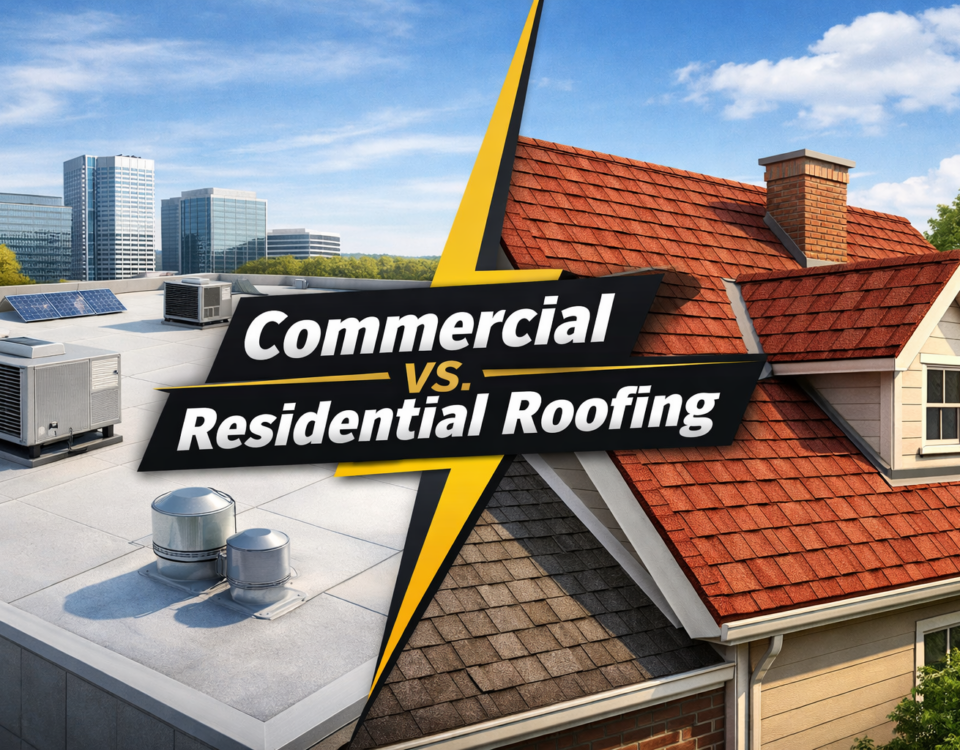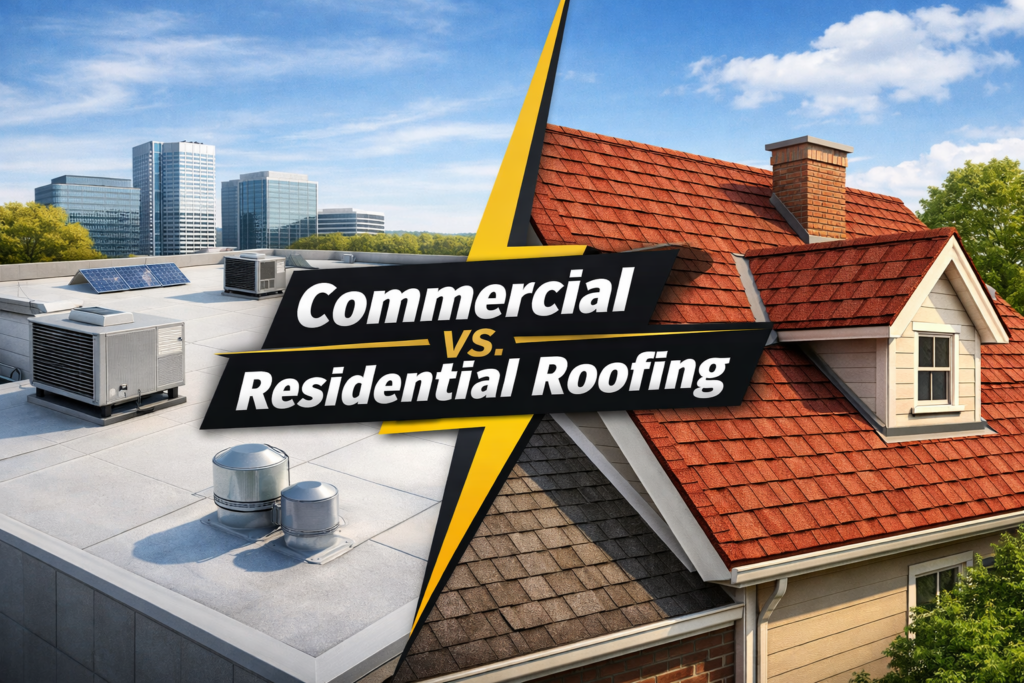
Commercial vs. Residential Roofing: Key Differences and Best Practices
January 27, 2026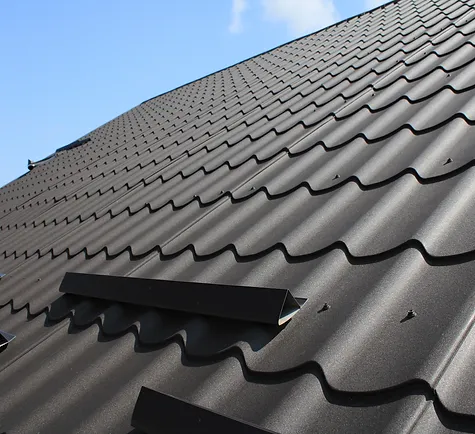
A roof is one of the most critical components of any HOA governed community. It protects buildings from weather damage supports property value and ensures resident safety. Because HOA properties often include multiple units and shared structures roof replacement is more complex than a single home project. Understanding requirements and responsibilities helps HOA boards make informed decisions and avoid costly mistakes.
This guide explains everything HOA boards property managers and committee members need to know about HOA Roof Replacement from legal duties to planning and execution.
What Is HOA Roof Replacement
HOA Roof Replacement refers to the complete removal and installation of new roofing systems on buildings managed by a homeowners association. This typically includes condominiums townhomes and multi building residential communities where roofs are considered common elements.
Unlike individual homeowners HOA boards are responsible for managing approvals budgets contractor selection and compliance with local codes and governing documents.
Who Is Responsible for Roof Replacement in an HOA
Responsibility depends on the governing documents of the community. These usually include the declaration bylaws and CC and Rs.
In most HOAs
-
The association is responsible for common area roofs
-
Owners are responsible for interior damage caused by leaks
-
Maintenance and replacement decisions are made by the HOA board
Some communities may assign partial responsibility to homeowners so it is essential to review documents carefully before starting any HOA Roof Replacement project.
Legal and Regulatory Requirements
HOA roof replacement projects must comply with several legal and regulatory standards.
Local building codes
Roof systems must meet state and local building codes including wind uplift ratings fire resistance and energy efficiency requirements.
Permits and inspections
Permits are required before work begins and inspections must be completed during and after installation.
Insurance requirements
Roof replacement often impacts HOA insurance policies. Boards should notify their insurance provider and confirm coverage before work starts.
Safety and OSHA compliance
Contractors must follow safety regulations to protect residents workers and property.
Failure to meet these requirements can result in fines delays or liability issues.
Board Responsibilities
The HOA board plays a central role in managing roof replacement.
Key responsibilities include
-
Evaluating roof condition through inspections
-
Determining whether repair or full replacement is needed
-
Creating and approving project budgets
-
Communicating with residents clearly and consistently
-
Hiring qualified licensed roofing contractors
-
Ensuring work meets contract and code requirements
A well informed board helps prevent disputes and keeps the project running smoothly.
Planning an HOA Roof Replacement Project
Proper planning is essential for a successful HOA Roof Replacement.
Roof inspections and assessments
Professional inspections identify age wear storm damage and hidden issues. This helps boards decide on timing and scope.
Budgeting and reserves
Roof replacement is a major expense. HOAs should use reserve funds or plan assessments well in advance to avoid financial strain.
Material selection
Material choice affects cost durability appearance and maintenance. Common options include asphalt shingle tile metal and flat roofing systems.
Timeline planning
Weather conditions resident schedules and material availability all influence project timelines.
Communication With Residents
Clear communication reduces frustration and builds trust.
HOAs should inform residents about
-
Project start and end dates
-
Noise and access expectations
-
Parking or walkway restrictions
-
Safety guidelines during construction
Providing updates throughout the project helps residents feel informed rather than disrupted.
Common Challenges in HOA Roof Replacement
HOA roof projects often face unique challenges.
-
Coordinating work across multiple buildings
-
Managing resident concerns and complaints
-
Dealing with unexpected structural issues
-
Staying within budget
-
Meeting strict deadlines
Working with an experienced contractor who understands HOA environments can minimize these issues.
Choosing the Right Roofing Contractor
Selecting the right contractor is one of the most important decisions an HOA board will make.
Look for contractors who
-
Have experience with HOA and condominium projects
-
Are fully licensed and insured
-
Understand local building codes
-
Offer clear contracts and warranties
-
Provide regular progress updates
Experienced contractors help boards navigate complex requirements while delivering long lasting results.
Long Term Maintenance Responsibilities
Roof replacement does not end once installation is complete.
HOAs should
-
Schedule regular roof inspections
-
Address minor issues early
-
Maintain drainage systems
-
Keep documentation for warranties and permits
Proper maintenance extends roof lifespan and protects the community investment.
HOA Roof Replacement in Coastal Communities
Coastal environments add extra considerations such as high winds salt air and storm exposure. For communities seeking HOA Roof Replacement Services in Captiva Island, material selection and installation standards must meet enhanced wind and moisture resistance requirements.
Boards should work with contractors familiar with coastal building standards to ensure compliance and durability.
Final Thoughts
HOA Roof Replacement is a major responsibility that requires planning communication and expert guidance. When boards understand their duties legal requirements and project steps they can protect property value ensure resident safety and avoid unnecessary stress.
A well managed roof replacement project is not just an expense. It is a long term investment in the stability and success of the entire community.